

As the seasons change, so do the foods naturally available to us, and the ways in which we nourish our bodies. In British Columbia, September and October bring an abundance of colourful, nutrient-rich produce, from crisp apples and pears to hearty root vegetables, winter squash, leafy greens and Brussels sprouts.
Fall is an ideal time to shift toward warming, nourishing meals that provide plenty of fibre, protein, healthy fats and plant-based nutrients. From a naturopathic perspective, eating seasonally is a simple way to work with the rhythms of the environment while enjoying foods at their freshest and most abundant.
Rather than focusing on restriction or “detoxing,” fall nutrition is about adding nourishment: incorporating a greater variety of vegetables and fruit, choosing minimally processed foods, and building satisfying meals that support steady energy, digestion and overall health.
Eat With the Season
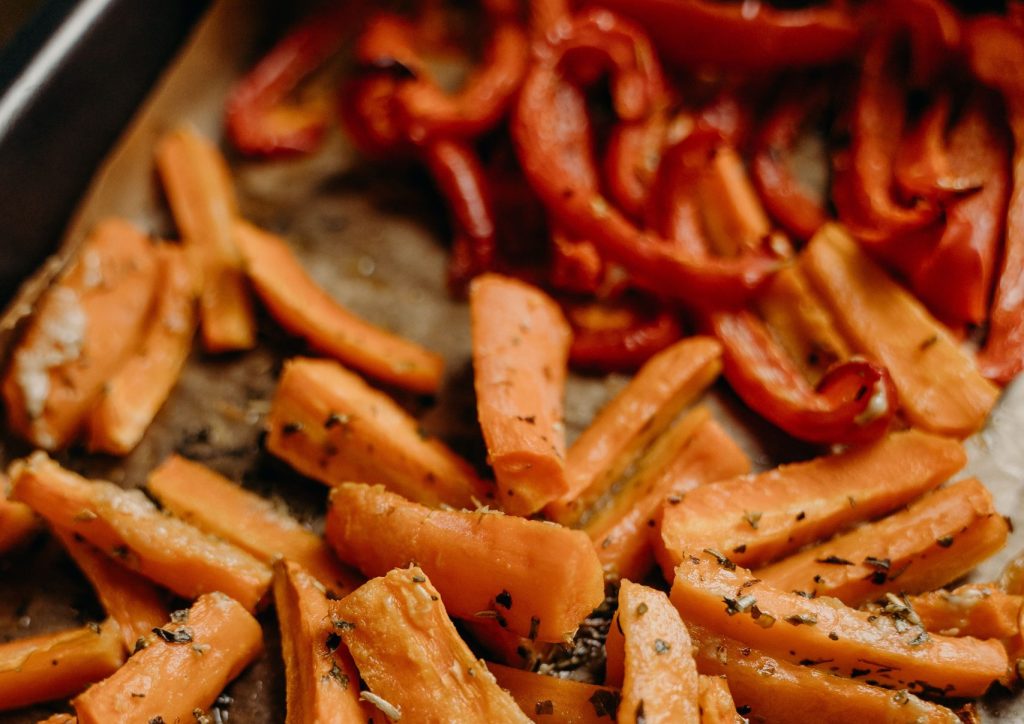
September and October are peak harvest months in British Columbia, making fall a great time to enjoy a wide variety of locally grown produce. Root vegetables such as carrots, beets, parsnips, turnips and potatoes become especially abundant, along with winter squash and pumpkin. These vegetables provide fibre, potassium, carotenoids and other plant compounds that support digestive, cardiovascular and overall health. Their fibre content can also help slow the digestion and absorption of carbohydrates, supporting more stable blood sugar levels when they are included as part of a balanced meal.
Fall is also the season for cruciferous vegetables, including broccoli, cauliflower, cabbage, kale and Brussels sprouts. These provide fibre, vitamin C, folate and a variety of phytochemicals, including compounds derived from glucosinolates that have been studied for their roles in cellular health.
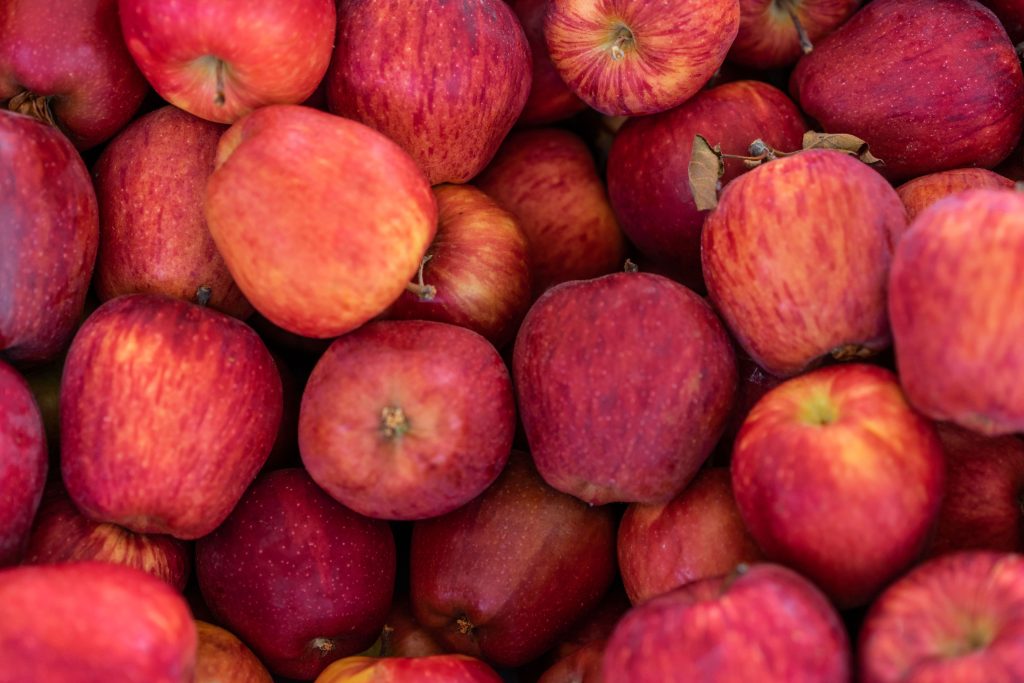
For fruit, B.C. apples, pears, grapes and late-season berries are excellent choices. Apples and pears provide fibre and vitamin C, while berries and grapes contain polyphenols, plant compounds with antioxidant and anti-inflammatory properties. Enjoying whole fruit rather than juice also provides fibre and helps make fruit more filling.
Choosing seasonal produce is not about following strict rules or eating only locally grown foods. Instead, use the fall harvest as an opportunity to increase the variety of whole, nutrient-dense foods in your diet. Aim to include a combination of colourful vegetables, fruit, protein and healthy fats throughout the day.
Try:
- Roasted carrots + lentils + tahini
- Beets + goat cheese + walnuts + greens
- Roasted squash + salmon + kale
- Potatoes + eggs + sautéed vegetables
Soup Season
Few foods are as comforting in the fall as a warm bowl of soup. From a nutrition perspective, soups are also an easy way to combine several nutrient-dense foods into one meal.
A vegetable- and legume-based soup can provide fibre, protein, fluids, vitamins and minerals while helping you eat a greater variety of vegetables.
Try building soup with: Vegetables + protein + fibre-rich carbohydrate + healthy fat
For example:
- Butternut squash + red lentils + ginger + olive oil
- Carrots + chicken + barley + herbs
- Tomatoes + white beans + kale + whole-grain pasta
Homemade soups also make excellent meal prep. Make a large batch and freeze individual portions for quick meals throughout the week.
One thing to watch is sodium: packaged soups and broths can be high in salt, so check labels or use lower-sodium options.
Seasonal Fruit: Apples, Pears, Grapes, and Berries
Fall brings some of B.C.’s most enjoyable fruits, including apples, pears, grapes and late-season berries. These fruits are naturally sweet while also providing fibre, vitamins, minerals and beneficial plant compounds called polyphenols. Fibre helps support digestive health and can slow the absorption of naturally occurring sugars, making whole fruit a nutritious choice for steady energy and blood sugar balance.
Apples and pears are particularly good sources of fibre, especially when eaten with the skin. Berries are rich in polyphenols and vitamin C, while grapes provide polyphenols and vitamin K.
Eating a variety of fruit provides a broader range of plant compounds and nutrients rather than relying on a single “superfood.”
Try incorporating seasonal fruit into your day by adding berries or chopped apples to oatmeal, pears to salads, grapes to a snack plate, or fruit to plain Greek yogurt with nuts and seeds. Baked apples or pears with cinnamon also make a simple, naturally sweet fall dessert.
Whenever possible, choose whole fruit over juice. Whole fruit retains its fibre, which can support a more gradual rise in blood glucose.
A Simple Fall Plate
A useful way to build balanced meals is to think in terms of:
- ½ vegetables and fruit
Root vegetables, squash, leafy greens, Brussels sprouts, apples or pears - ¼ protein
Fish, eggs, chicken, tofu, lentils, beans, nuts or seeds - ¼ whole grains or starchy vegetables
Oats, barley, quinoa, brown rice, potatoes or squash - Add healthy fats such as olive oil, avocado, walnuts, pumpkin seeds or tahini.
This combination provides fibre, protein, carbohydrates and fats to support energy, satiety and overall nutritional adequacy.
Your Fall Nutrition Takeaway
Fall nutrition doesn’t need to involve restrictive diets, cleanses or complicated rules. Instead, use the season as an opportunity to add more whole, colourful and fibre-rich foods.
Enjoy roasted root vegetables, nourishing soups, crisp apples, pears and late-season berries. Aim for variety, pair carbohydrate-containing foods with protein and fibre when practical, and choose foods that are both nutritious and enjoyable.
Eat with the season, nourish consistently, and let simple whole foods do the work.
Disclaimer: The content provided on this blog is intended for informational purposes only and should not be construed as medical advice. While we strive to present accurate and up-to-date information, the field of naturopathic medicine is continually evolving, and individual health circumstances vary. Therefore, the information herein may not apply to your specific health situation.
Please be aware that engaging with this blog does not establish a doctor-patient relationship. For personalized medical advice, diagnoses, or treatment plans, we recommend scheduling a consultation with a qualified naturopathic physician or other licensed healthcare provider.
In the event of a medical emergency, contact emergency services immediately.
References
Health Canada. Canada’s Dietary Guidelines: Section 1—Foundation for healthy eating. Government of Canada, 2026.
Supports recommendations around vegetables, fruit, whole grains, plant-based foods and dietary fibre.
Canada’s Dietary Guidelines – Foundation for healthy eating
Health Canada. Eat vegetables and fruits. Government of Canada, 2026.
Useful for the benefits of vegetables and fruit, fibre, vitamin C, folate, beta-carotene, and choosing whole fruit over juice.
Health Canada – Eat vegetables and fruits
Health Canada. Fibre. Government of Canada, 2025.
Supports statements about fibre, digestive health, satiety and sources of fibre including fruits, vegetables, legumes, nuts, seeds and whole grains.
Health Canada – Fibre
Buy BC. What’s in season? Province of British Columbia.
This is the best source for identifying produce that is seasonally available in B.C. during September and October.
Buy BC – What’s in season?