
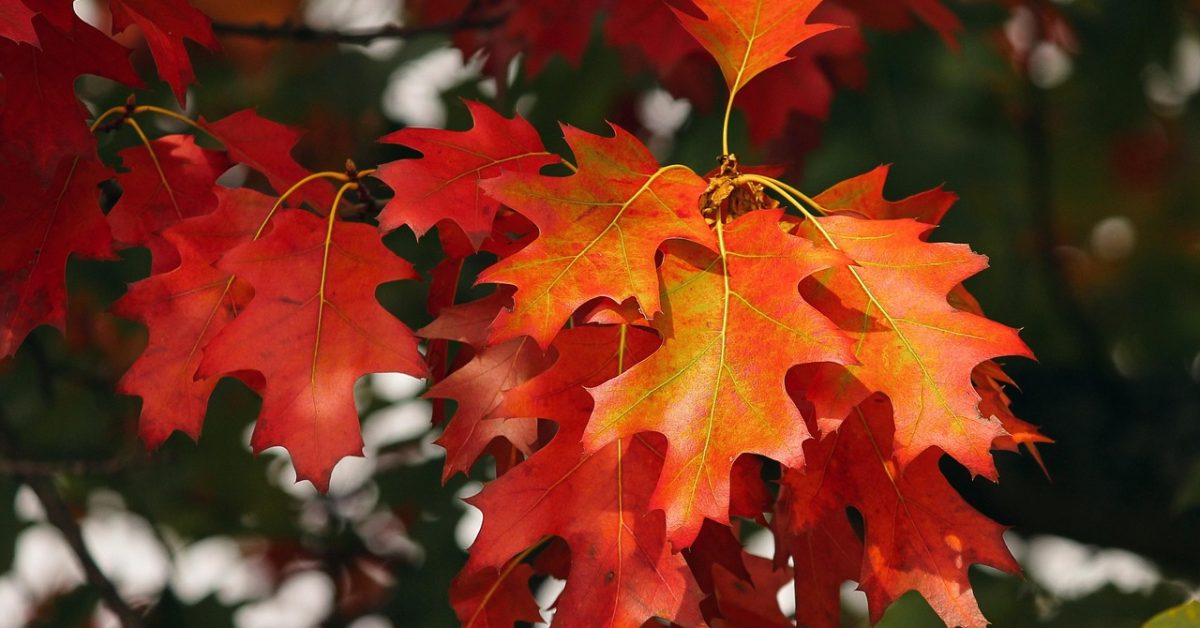
September has a way of changing the pace of life.
After the slower rhythm of summer, mornings get earlier, schedules fill up and routines return. Work becomes busier, school starts again, there seems to be more to organize—and suddenly we’re hurtling toward the holidays.
Sometimes that transition feels good. Sometimes your calendar adjusts faster than your body does.
You may notice that you’re sleeping less well, feeling more tense or finding it harder to switch off at night. Perhaps your digestion feels different, your energy is lower or your menstrual cycle has changed.
Or you may simply find yourself tired but wired—ready for bed, but unable to settle once you get there.
From a Traditional Chinese Medicine perspective, seasonal transitions are a time to pay attention to how the body is adapting. Fall is associated with the Metal element and is traditionally viewed as a time of moving from the outward energy of summer toward a quieter, more inward season.
You don’t need to know TCM theory for this idea to be useful. As the days shorten and routines change, fall can be a natural opportunity to ask: What supports me as the pace changes?
A different way of looking at stress
When someone tells me they’re stressed, I don’t assume that stress looks the same for everyone.
One person may feel restless and tense, have a busy mind and struggle to fall asleep.
Another may feel depleted, have low energy during the day and wake during the night.
Someone else may notice changes in their digestion or menstrual cycle at the same time their stress levels increase.
The symptoms may be similar, but the overall picture can be very different.
In TCM, these details matter. We consider the combination of symptoms and how they relate to one another rather than treating “stress” as a diagnosis on its own.
This is one of the things I enjoy about acupuncture: there isn’t always one treatment for a particular symptom. TCM theory helps me understand the broader picture, while the Balance System gives me another way of looking at where an imbalance may be showing up through the body’s meridian system.

Your TCM fall reset
You don’t need to completely overhaul your routine this September. Instead, spend a week noticing a few simple things.
- Create a little more space around meals
When life gets busy, meals are often one of the first things to become rushed or irregular.
As the weather cools, warm, nourishing meals can be a simple way to reconnect with a regular rhythm. More importantly, notice how your digestion responds.
Are you skipping meals, eating quickly or relying on coffee to get through the afternoon?
You don’t need a perfect diet. Start by noticing whether regular, satisfying meals make a difference to your energy and digestion.
- Protect your evenings
If you’re feeling tired but wired, create a transition between doing and sleeping.
Gentle stretching, a warm shower, reading or simply dimming the lights can help create a clearer boundary between the demands of the day and bedtime.
It doesn’t need to become another elaborate routine. Even 20 minutes of quieter time can be useful.
- Notice your energy rather than pushing through it
When your energy dips, it’s easy to automatically reach for another coffee, push through a workout or tell yourself you need to be more productive.
Instead, pause and ask what you might actually need.
Food? Movement? Rest? Fresh air? Or simply a few minutes without another demand?
The point isn’t to find one right answer. It’s to start noticing rather than automatically pushing through.
- Pay attention to patterns
This is perhaps the most TCM part of the reset.
Sleep, digestion, energy, mood and your menstrual cycle can all provide information. Rather than looking at each symptom separately, notice how they relate to one another.
Maybe your sleep is worse after particularly busy days. Maybe your energy drops when you skip lunch. Maybe your digestion changes when your schedule becomes hectic. Maybe everything feels more difficult at a particular point in your cycle.

The bigger picture can tell you more than one system
How acupuncture fits into the picture
This way of looking at health is also part of how I approach an acupuncture treatment.
At your appointment, we talk about more than the main symptom that brought you in. Sleep, digestion, energy, stress, emotions, menstrual patterns and other changes all help me understand the bigger picture.
I use Traditional Chinese Medicine theory alongside the Balance System of acupuncture.
While TCM theory helps inform my understanding of your overall presentation, the Balance System looks at which meridians may be involved in the problem—the affected or “sick” meridians—and uses acupuncture points on other areas of the body to help restore balance.
This means your treatment isn’t simply “acupuncture for stress” or “acupuncture for sleep.”
The symptom may be the reason you come in, but the treatment is guided by what I’m finding in your individual presentation and which meridians are involved.
And because what is happening in your body can change, your treatment can change with it.
When you're going through a bigger transition
This approach can be particularly relevant during fertility, pregnancy, postpartum and perimenopause—times when your body and life may already be changing significantly.
If you’re trying to conceive, your routine may suddenly revolve around your cycle, appointments, testing or fertility treatment. It can be a lot to carry while also trying to maintain some sense of normal life.
During pregnancy, sleep, digestion, energy and physical comfort can change as your body changes.
Postpartum brings another major transition, often with interrupted sleep, physical recovery and very little predictable routine.
Perimenopause can bring its own collection of changes, including sleep disruption, cycle changes, shifts in energy and changes in how you respond to stress.
These experiences can’t always be separated neatly into individual boxes. Looking at the whole picture can be particularly useful.
Acupuncture can be used as complementary care alongside your physician, midwife, fertility specialist or other healthcare providers, with treatment tailored to your stage of life and what you’re experiencing at the time.

Your Fall TCM Check-in
If you’d like to take the Fall Reset a little further, keep a simple note for one week.
Each evening, rate:
Energy: 1–10
Stress: 1–10
Sleep quality: 1–10
Digestion: 1–10
Mental busyness: 1–10
Then note:
Menstrual cycle day (if applicable): ______
What felt different today?
What seemed to help?
At the end of the week, don’t look for a perfect score. Look for patterns.
You may discover that your sleep changes when your schedule becomes particularly busy, that your energy is closely connected to eating regularly, or that certain symptoms appear at predictable points in your cycle.
These observations can give you a better understanding of what your body is experiencing—and provide a useful starting point for a conversation with your healthcare provider or acupuncturist.
You don't have to do more this fall
Getting back into a routine doesn’t always mean adding more structure, more exercise or more things to your list.
Sometimes it means noticing where your current routine is asking too much of you.
This September, start with observation.
How are you sleeping?
How is your energy?
How is your digestion?
What is your cycle telling you?
Where are you finding moments to pause?
Small observations can tell us a lot.
And if you’re noticing ongoing changes in your sleep, stress, energy, menstrual cycle or overall wellbeing, acupuncture may be one supportive part of your care.
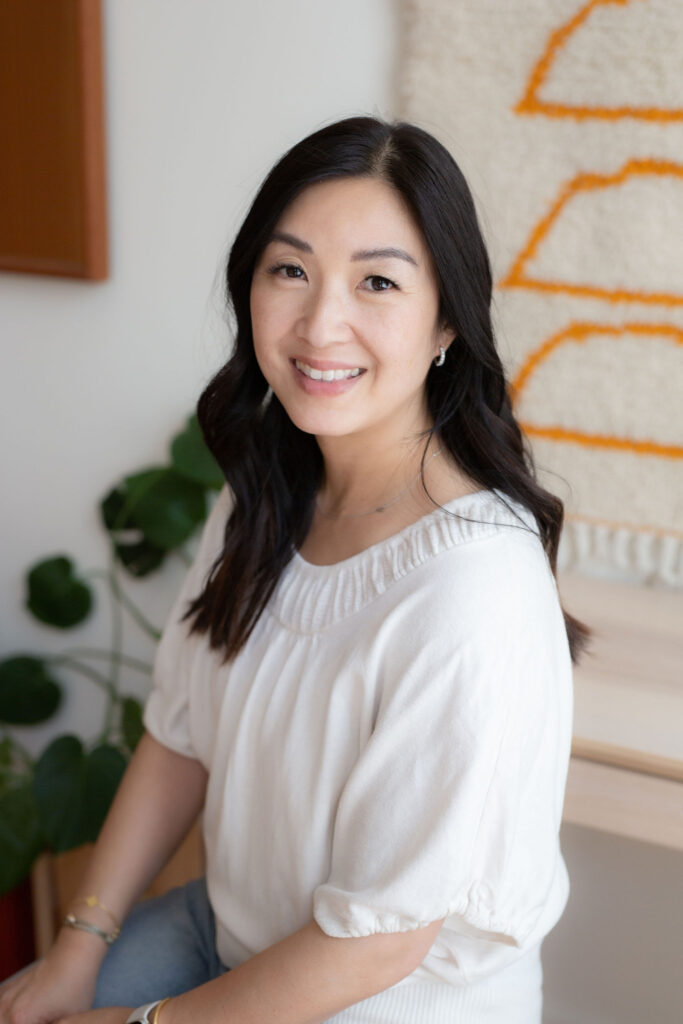
Meet Sharyn Turner, R. Ac.
Sharyn Turner is a registered acupuncturist at Friday Health in Vancouver. Her practice focuses on whole-person acupuncture for women, with particular interests in hormonal health, stress, sleep, fertility, pregnancy and postpartum care.
She combines Traditional Chinese Medicine theory with the Balance System of acupuncture, using a meridian-based approach to develop individualized treatments based on each person’s symptoms, health history and stage of life.
Disclaimer: The content provided on this blog is intended for informational purposes only and should not be construed as medical advice. While we strive to present accurate and up-to-date information, the field of naturopathic medicine is continually evolving, and individual health circumstances vary. Therefore, the information herein may not apply to your specific health situation.
Please be aware that engaging with this blog does not establish a doctor-patient relationship. For personalized medical advice, diagnoses, or treatment plans, we recommend scheduling a consultation with a qualified naturopathic physician or other licensed healthcare provider.
In the event of a medical emergency, contact emergency services immediately.