

Autoimmune Disease 101
Autoimmune diseases occur when the immune system, which normally protects us from infections and harmful substances, mistakenly targets the body’s own tissues. These conditions can affect nearly any organ or system, from the thyroid and gut to the joints and skin, and often present with a wide range of symptoms. While genetics set the stage by influencing immune function, environmental triggers, lifestyle factors, and gut health play critical roles in whether the disease actually develops and how severe it becomes. Understanding the factors that contribute to autoimmune activity – particularly understanding the central role of the gut – can empower both prevention and management strategies, giving you the tools to support immune balance and overall health.
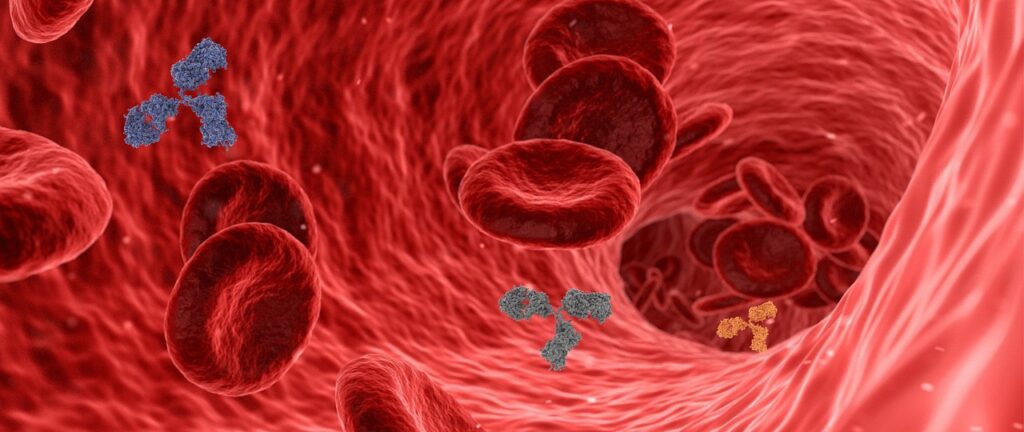
Contributing Factors to Autoimmune Disease
The pathogenesis of autoimmune disease is complex and multifactorial, and usually arises due to a combination of genetic vulnerability and environmental influences. Genetics help determine risk by shaping how the immune system recognizes threats and maintains tolerance, which is why autoimmune conditions often run in families. However, genes alone are rarely enough to cause disease.
Environmental factors play a major role in triggering immune dysfunction. Certain infections can confuse the immune system through mechanisms like molecular mimicry, where immune cells mistake the body’s own tissues for foreign invaders. Smoking and exposure to environmental toxins are also well-established contributors, increasing inflammation and disrupting immune regulation.
As with many diseases, nutritional and lifestyle factors play a significant role as well. One notable nutrient deficiency implicated in autoimmune disease is Vitamin D. This fat soluble vitamin is a key regulator of immune function, helping guide immune cells toward tolerance rather than attack. Adequate vitamin D levels support regulatory immune pathways that prevent inappropriate immune responses, while deficiency has been linked to increased immune reactivity and a higher risk of developing autoimmune conditions, as well as greater disease activity in those already affected.
Celiac disease offers a clear example of how immune activity in the gut can influence the entire immune system. In genetically susceptible individuals, exposure to gluten triggers an immune response that damages the intestinal lining and disrupts the gut barrier. This ongoing intestinal inflammation increases gut permeability, allowing immune cells to be exposed to antigens they would not normally encounter. Over time, this persistent immune activation in the gut can contribute to systemic inflammation and increase the risk of additional autoimmune conditions beyond the digestive tract.
At the center of many of these influences is the gut. The gut is where genetic susceptibility, environmental exposures, diet, stress, and microbes intersect, making it a key driver in the development and progression of autoimmune disease.

Meet Your Gut; The Immune System's Headquarters
The gut is far more than a digestive organ, it is a central hub for immune function. In fact, approximately 70-80% of the immune system resides in the gut, where it constantly interacts with food, microbes, and environmental signals. This close relationship allows the immune system to respond quickly to threats while maintaining tolerance to harmless substances.
A key component of this system is the gut barrier, which acts as a selective “gatekeeper.” When functioning properly, it allows nutrients to pass through while keeping bacteria, toxins, and inflammatory molecules contained within the digestive tract. Just as important is the gut microbiome – the trillions of microbes living in the intestines – which serves as a communication network between the gut and the immune system. These microbes help train immune cells, regulate inflammation, and support immune balance through the production of bioactive compounds such as short-chain fatty acids.

How Gut Dysfunction Can Drive Autoimmune Activity
When gut health is compromised, immune regulation can begin to break down. One common issue is increased intestinal permeability, often referred to as “leaky gut.” When the gut barrier becomes overly permeable, microbial fragments and inflammatory molecules can enter circulation, triggering immune activation and increasing the risk of autoimmune reactions.
Microbiome imbalance (dysbiosis) further contributes to this process. A loss of beneficial microbes or reduced microbial diversity can impair immune signaling, reduce anti-inflammatory metabolite production, and shift the immune system toward a more reactive state. This imbalance often coexists with chronic gut inflammation, which places ongoing stress on immune tissues in the gut and promotes systemic inflammatory signaling.
Over time, the immune system may also begin reacting to certain foods inappropriately. These food sensitivities are not true allergies, but rather signs of immune confusion, where repeated exposure to food antigens in an inflamed gut environment amplifies immune reactivity and perpetuates inflammation.

The Gut-Immune-Inflammation Loop
Once established, gut and immune dysfunction can reinforce one another. Gut inflammation fuels immune activation, increasing inflammatory signaling throughout the body. In turn, ongoing immune activation further damages gut integrity, alters the microbiome, and worsens inflammation within the digestive tract. This creates a self-perpetuating cycle in which gut dysfunction and immune dysregulation continuously amplify one another, playing a key role in both the development and progression of autoimmune disease.

From Research to Real Life
Research on the microbiome and its role in a wide range of diseases has grown exponentially in recent decades. While the gut is not yet the central focus of conventional autoimmune treatments, emerging studies are reshaping how we understand, manage, and even prevent autoimmune conditions.
So, what does this mean for you? If you’re living with autoimmune disease, supporting gut health and nurturing a balanced microbiome may help reduce flares, manage symptoms, and promote overall immune resilience. For those without autoimmune disease, focusing on gut health is a powerful way to lower systemic inflammation and support a well-regulated immune system– potentially reducing your future risk of developing autoimmune conditions.
Not sure where to start? Book a consultation with one of our Naturopathic Doctors today to take the first step toward optimizing your gut health and taking proactive steps to support a strong, balanced immune system.

Disclaimer: The content provided on this blog is intended for informational purposes only and should not be construed as medical advice. While we strive to present accurate and up-to-date information, the field of naturopathic medicine is continually evolving, and individual health circumstances vary. Therefore, the information herein may not apply to your specific health situation.
Please be aware that engaging with this blog does not establish a doctor-patient relationship. For personalized medical advice, diagnoses, or treatment plans, we recommend scheduling a consultation with a qualified naturopathic physician or other licensed healthcare provider.
In the event of a medical emergency, contact emergency services immediately.
References
Pathogenesis of Autoimmune Disease.
Nature Reviews. Nephrology. 2023. Pisetsky DS.
Arthritis Care & Research. 2024. Miller FW.
Gut Microbiota Mediated T Cells Regulation and Autoimmune Diseases.
Frontiers in Microbiology. 2024. Bhutta NK, Xu X, Jian C, et al.
The Role of Gut Microbiota in Modulating Immune Signaling Pathways in Autoimmune Diseases.
Neuromolecular Medicine. 2025. Younis NK, Alfarttoosi KH, Sanghvi G, et al.New
Effect of Microbial Dysbiosis on Autoimmune Associated Inflammation.
International Review of Cell and Molecular Biology. 2025. Singh K, Bhadauriya AS.New
Role of Microbiota Short-Chain Fatty Acids in the Pathogenesis of Autoimmune Diseases.
Biomedicine & Pharmacotherapy = Biomedecine & Pharmacotherapie. 2023. Rasouli-Saravani A, Jahankhani K, Moradi S, et al.
Is it just me, or are there tons of fake PHL63 sites? This one seems legit for login access: phl63.com login. ALWAYS double check the URL!
Codere México is the real deal for us Mexicans looking for a legit online gaming experience. Been using it for ages and never had a problem. codere méxico
Sport Caliente, eh? Sounds like they focus on the sporty stuff, which is right up my alley! I’m all about those sports bets! Gimme some insight—good markets? Fair odds? sport caliente
3831bet seems pretty legit. Been messing around on the site and it’s definitely delivering some decent experiences. Check out 3831bet!
Been seeing 5566bet ads everywhere. Worth a punt, or just another flash in the pan? I’m always looking for something new in the betting scene, and this looks promising. Discover more 5566bet here.
Just downloaded the 595betapp. Fingers crossed it’s not a battery hog. The interface is smooth, at least. I’ll keep you posted on how it performs. See what you can do 595betapp!
看不懂但大受震撼
Pingback: tadalafil without a prescription
SV888casino is bringing the real casino feels straight to your screen. Awesome graphics, live dealers, the whole shebang. Place your bets today: sv888casino
Yo, BC777 is good and has lots of cool features. You have to give it a try to see yourself bc777.
Alright, 7cxgame looks like it’s filled with a ton of cool features to browse, I highly recommend you check it out! 7cxgame!