
Low back pain is incredibly common, but the reasons behind it aren’t always obvious. In most cases, discomfort builds slowly from everyday habits including how we sit, move, lift, or support our bodies. Understanding why the lower spine is so vulnerable, what your symptoms may be signaling, and which simple movement strategies can help is key to long-term relief. In this post, we’ll break down the basics of lumbar anatomy, explore common causes of low back pain, share proven core-stability exercises, and outline when it’s time to seek more advanced care.
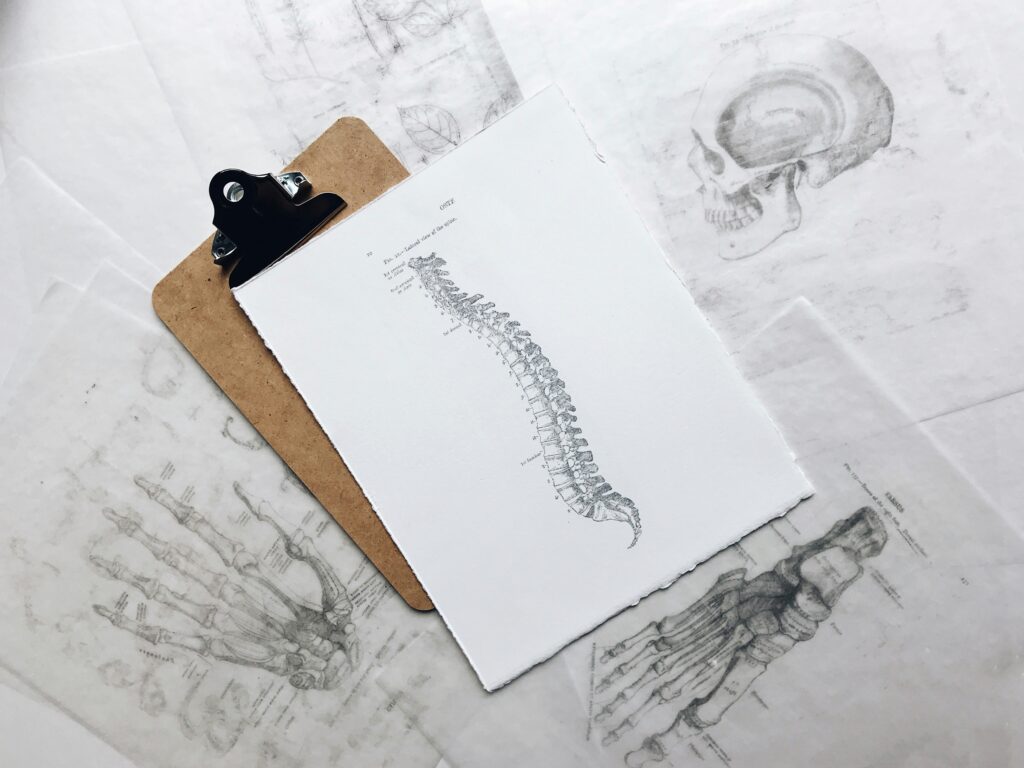
Anatomy 101: Why the Lower Spine is Especially Vulnerable
To understand why so many people get low back pain, let’s dive into a brief anatomy lesson.
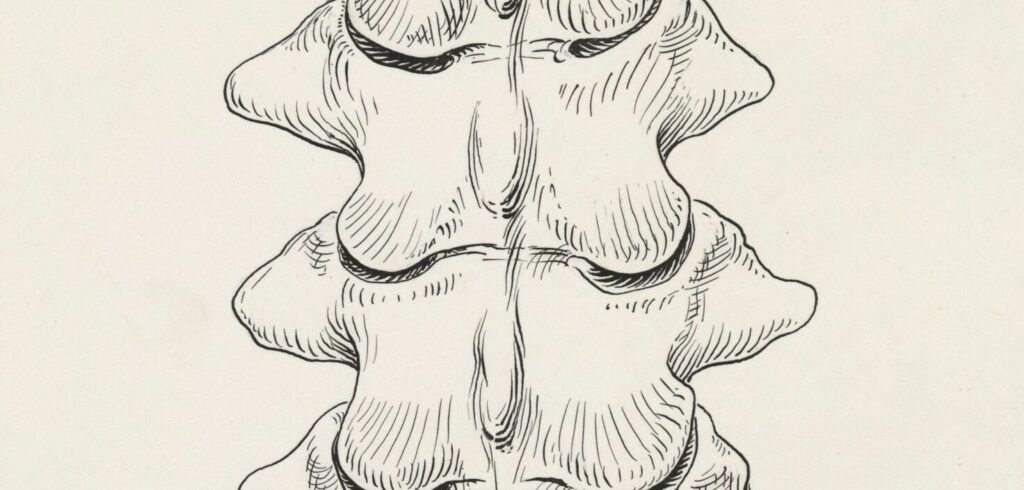
- The “lower spine” (lumbar region) supports much of the body’s weight and is involved whenever we lift, bend, twist or carry. That means these vertebrae, discs, joints and supporting muscles are often under stress.
- Repeated bending, lifting, or poor posture can lead to micro-injuries, overloaded discs or joints, or muscle strain, especially when the spine doesn’t get enough support or core stability.
- Because the lower spine carries significant weight while also allowing a wide range of motion, it experiences more stress than other regions of the spine, which increases the risk of overuse, wear, and injury.
In short: the lower spine is doing a lot, daily. Without good support and healthy movement habits, it’s easy for strain or injury to sneak in.

From Symptom to Diagnosis: Understanding What Your Body is Telling You
Low back pain isn’t always caused by one obvious event (like a heavy lift gone wrong). Often, it develops slowly from repeated strain, poor posture, or everyday movement patterns. While imaging including MRIs and X-rays can help elucidate the cause of low back pain in certain instances (such as with a disc herniation), many patients are left feeling lost when imaging comes back normal, but pain persists.
At Friday Health, we emphasize the importance of listening to pain triggers and patterns, not just relying on scans. Key questions we might ask could include:
- When did the pain start? Was it gradual or after a specific incident?
- What movements or postures make it worse (or better)? Bending, lifting, twisting, and sitting are often common culprits.
- Does the pain radiate down the legs or stay local?
- Is pain constant or intermittent? Is it worse in the morning, after sitting, after activity, or after rest?
By carefully noting triggers, patterns, and history, your practitioner can often identify likely underlying mechanical, muscular, or lifestyle-related causes, even when imaging looks “normal.”
Some of the most common differentials for low back can include muscle strain, joint irritation (facet joint pain), disc-related issues (such as disc bulges or herniations), sacroiliac (SI) joint dysfunction, nerve irritation or compression, and poor movement mechanics or posture-related stress. In many cases, people experience a combination of these factors which is why a thorough assessment of your movement patterns, daily habits, and symptom history is so important. Furthermore, the root cause of your pain will guide treatment decisions, which is why a detailed history with a licensed practitioner is so valuable.

How to Build a Resilient Spine
Preventing low back pain often starts with simple, everyday habits. Many aches and strains don’t come from a single injury. Instead, they develop gradually from prolonged sitting, lifting without support, or repetitive movements that stress the lower back.
A strong, coordinated core acts like a natural “brace” around the spine, helping to distribute load, reduce strain, and support healthy posture. Gentle, controlled exercises can teach your body to move safely and build this resilience.
A well-researched set of movements known as the McGill “Big Three” has been shown to improve spinal stability and reduce lower back stress. Dr. Stuart McGill, a leading spine researcher, studied thousands of patients and found that these exercises strengthen the core muscles without putting excessive load on the spine. Thus, these three exercises are often recommended for the prevention of low back injuries and pain.
The Big Three include:
The Modified curl-up
- What it is: A modified abdominal curl that avoids lumbar flexion.
- Why it works: Research suggests it engages the front-core muscles safely, helping the spine distribute load more effectively.
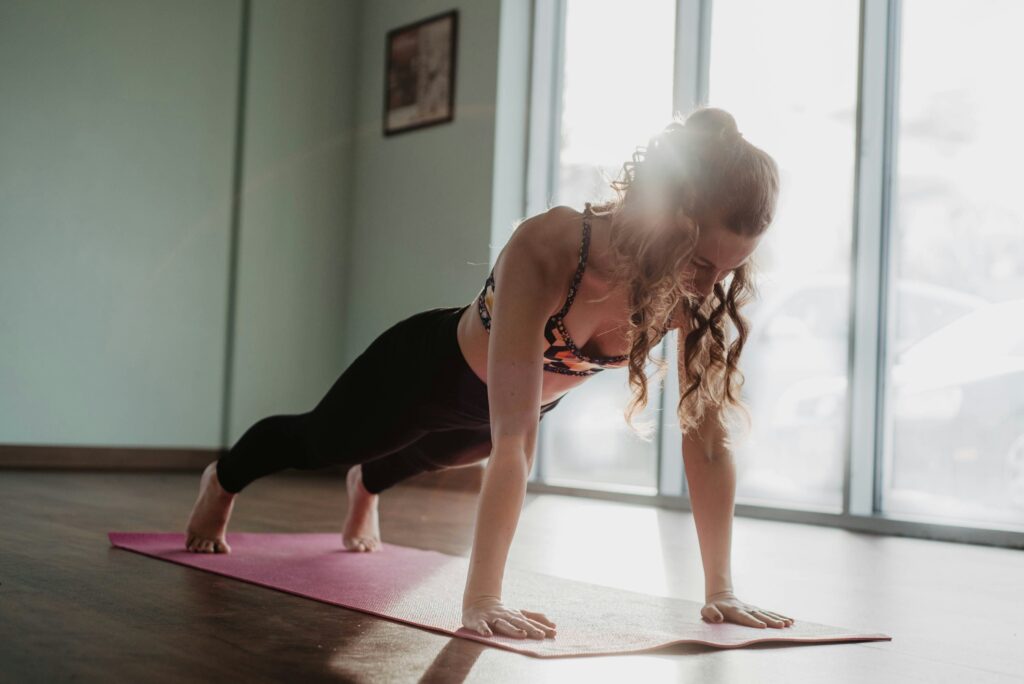
Side plank
- What it is: Performed on the side to activate lateral trunk musculature.
- Why it works: Studies indicate it strengthens the side-core muscles, which support lateral stability and overall spinal alignment.
Bird-dog
- What it is: Performed on hands and knees, extending one arm and the opposite leg to engage posterior chain and core stabilizers.
- Why it works: Evidence shows it enhances coordination, balance, and the connection between core muscles and healthy spinal movement.
As a triad, these exercises target control, alignment, and stability rather than heavy lifting or deep bending, making them suitable for most people. Combined with simple daily habits like avoiding prolonged sitting, staying active, and being mindful of posture, the McGill Big Three can help protect your lower back and reduce the risk of future pain.
When to Consider Advanced Care
While many cases of low back pain can be prevented or even treated with conservative care including core stability, movement habits, and posture work, there are times when more advanced evaluation or treatment may be needed. Some reasons to seek further care include:
- New onset pain that is disruptive to your daily life.
- Pain that doesn’t improve (or worsens) despite a reasonable trial of conservative care.
- Nerve-related symptoms: radiating pain, numbness, tingling, weakness in legs or arms, loss of control, or changes in bowel/bladder function.
- Pain after a significant trauma (fall, accident) or signs of structural instability.
- New or unusual pain in persons with other serious health conditions (e.g. systemic illness, severe osteoporosis, history of cancer).
It is always best to seek evaluation from a licensed professional to rule out any concerning underlying pathology, and to determine which treatments are most appropriate. At Friday Health, we offer numerous modalities to diagnose and treat low back pain, ranging from ultrasound guided injection therapy, chinese medicine, acupuncture, cupping, fascial stretch therapy, and more. Are you ready to begin your journey to pain free living? Book a discovery call today.
In Summary...
Low back pain is extremely common, but it doesn’t have to be a life sentence. With a better understanding of why the lower spine is vulnerable, what to look for when pain arises, and how gentle, stabilizing movement and healthy habits can make a difference, many people can find relief and avoid recurrence.
At Friday Health, this means combining careful assessment, individualized guidance, and holistic lifestyle support to empower patients to move well, heal wisely, and build enduring spine health.
Disclaimer: The content provided on this blog is intended for informational purposes only and should not be construed as medical advice. While we strive to present accurate and up-to-date information, the field of naturopathic medicine is continually evolving, and individual health circumstances vary. Therefore, the information herein may not apply to your specific health situation.
Please be aware that engaging with this blog does not establish a doctor-patient relationship. For personalized medical advice, diagnoses, or treatment plans, we recommend scheduling a consultation with a qualified naturopathic physician or other licensed healthcare provider.
In the event of a medical emergency, contact emergency services immediately.
References
Chiarotto, A., & Koes, B. W. (2022). Nonspecific low back pain. The New England Journal of Medicine, 386(18), 1732–1740. https://doi.org/10.1056/NEJMcp2032396
Hartvigsen, J., Hancock, M. J., Kongsted, A., et al. (2018). What low back pain is and why we need to pay attention. The Lancet, 391(10137), 2356–2367. https://doi.org/10.1016/S0140-6736(18)30480-X
Hegmann, K. T., Travis, R., Andersson, G. B. J., et al. (2020). Non-invasive and minimally invasive management of low back disorders. Journal of Occupational and Environmental Medicine, 62(3), e111–e138. https://doi.org/10.1097/JOM.0000000000001812
McGill, S. M., & Karpowicz, A. (2009). Exercises for spine stabilization: Motion/motor patterns, stability progressions, and clinical technique. Archives of Physical Medicine and Rehabilitation, 90(1), 118–126. https://doi.org/10.1016/j.apmr.2008.06.026
Ekstrom, R. A., Donatelli, R. A., & Carp, K. C. (2007). Electromyographic analysis of core trunk, hip, and thigh muscles during 9 rehabilitation exercises. Journal of Orthopaedic & Sports Physical Therapy, 37(12), 754–762. https://doi.org/10.2519/jospt.2007.2471
PHFun11ComLogin is where it’s at for some online fun! Easy to get in and I like the platform. Try it out for yourself: phfun11comlogin
PlayDoItPark has been keeping me entertained! A few of my real friends have used this and say the same thing! Check it out here: playdoitpark
QDF777Login is super fast and easy, and the games run smooth. Seriously, give it a shot: qdf777login
Pingback: ivermectina
Pingback: azitromycine
Pingback: what is proscar
Pingback: vibramycin for uti
ZT777game, another one to explore! Hoping this is something that’ll be fun to play for a long time! What say you give it a check using this link too: zt777game
ZT777? I’m getting a good vibe from this one. Can’t wait to dive in and see what it’s all about. Find the fun here zt777
Alright folks, gotta say I’ve been messing around on 3kvipgame lately and it’s actually pretty fun! Good selection of games and the site runs smoothly. Worth checking out if you’re looking for something new. Give 3kvipgame a shot, you might be surprised!
Honestly, Okbetcc has become my daily routine. Never disappointed, from the variety to the customer service! Best experience! Good luck here okbetcc.
Bet89? Another betting site to check out! Always on the lookout for good odds and promotions. Worth my time? I’m going to bet89 to take a peak.
Iddaa Nesine? Sounds exciting. is that for real. Let’s go to this site iddaa nesine.