
Elbow pain is surprisingly common and can affect everyone from office workers and parents to athletes and tradespeople. While “tennis elbow” is one of the best-known causes, there are many different conditions that can lead to elbow discomfort. The good news is that most elbow pain responds well to conservative, evidence-based treatment when addressed early – And when conservative management doesn’t do the trick, other options like hyaluronic acid injections exist.

What Can Cause Elbow Pain?
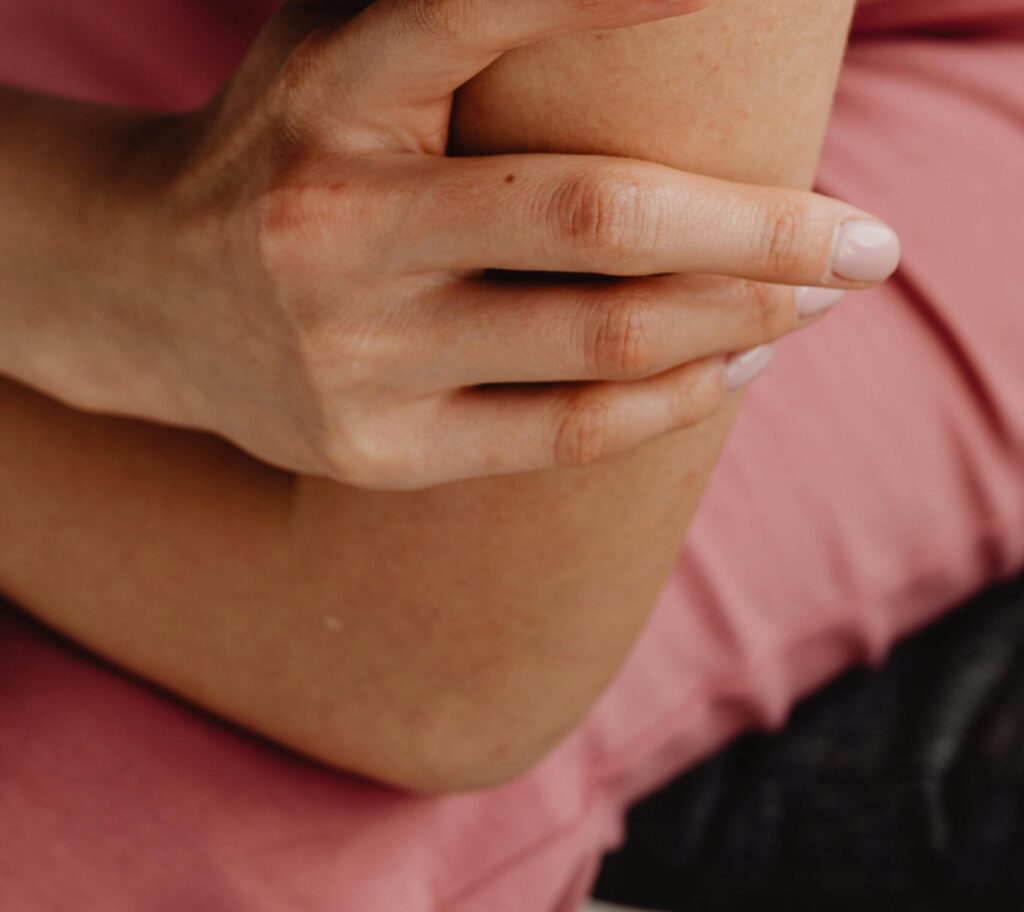
The elbow is a complex joint made up of bones, tendons, ligaments, muscles, and nerves. Pain can arise from irritation or injury to any of these structures, which is why elbow pain can sometimes be difficult to diagnose without a proper assessment.
Here are some of the most common causes of elbow pain:
- Tennis Elbow: Tennis elbow – also known as lateral epicondylitis – causes pain on the outside of the elbow and is often related to repetitive gripping, lifting, typing, or racquet sports. Despite the name, many people who develop tennis elbow have never played tennis.
- Golfer’s Elbow: Golfer’s elbow – also known as medial epicondylitis – affects the inside of the elbow and involves irritation of the tendons responsible for wrist flexion and gripping. It commonly occurs in golfers, climbers, weightlifters, and individuals performing repetitive manual work.
- Olecranon Bursitis: The olecranon bursa is a small fluid-filled sac at the tip of the elbow. Repetitive pressure, trauma, or inflammation can cause swelling and tenderness, sometimes leading to a visibly enlarged elbow.
- Cubital Tunnel Syndrome: This occurs when the ulnar nerve becomes compressed near the elbow. Symptoms may include numbness or tingling in the ring and pinky fingers, hand weakness, or aching pain along the inner elbow.
- Arthritis: Both osteoarthritis and inflammatory arthritis can affect the elbow joint. Arthritis-related elbow pain is often associated with stiffness, swelling, and reduced range of motion.
- Tendon or Muscle Strain: Overuse, lifting injuries, or sudden increases in activity can strain the muscles and tendons around the elbow, leading to localized pain and weakness.
- Referred Pain from the Neck or Shoulder: Sometimes elbow pain is not actually originating from the elbow itself. Nerve irritation in the neck or shoulder can cause pain to refer down the arm and mimic elbow conditions.
Because several conditions can present similarly, a proper assessment is important to determine the correct diagnosis and treatment plan.
What is Tennis Elbow?
Tennis elbow, medically known as lateral epicondylitis or lateral elbow tendinopathy, is one of the most common elbow injuries.
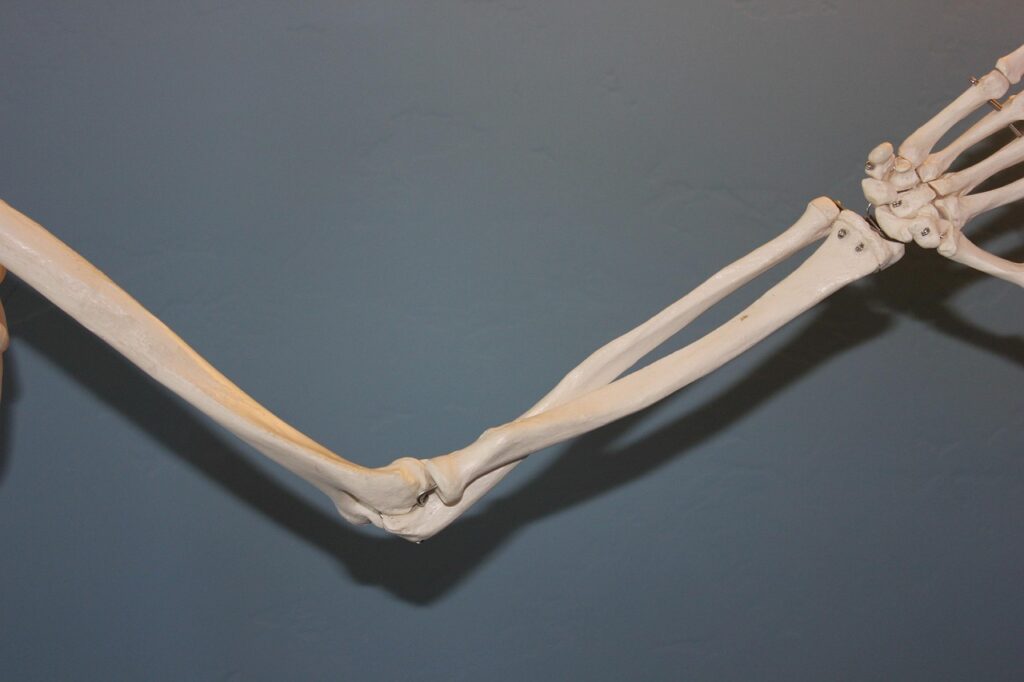
It occurs when the tendons that attach to the outer part of the elbow become overloaded, irritated, and degenerative over time. The most commonly affected tendon is the extensor carpi radialis brevis (ECRB), which helps stabilize and extend the wrist.
Common symptoms may include:
- Pain on the outside of the elbow
- Pain when gripping, lifting, or twisting
- Weak grip strength
- Tenderness over the outside of the elbow
- Pain that worsens with repetitive wrist or arm use
Although tennis players can develop this condition, it is frequently seen in office workers, tradespeople, hairstylists, parents or caretakers lifting children, weightlifters, and anyone performing repetitive arm motions.
Research now suggests that tennis elbow is less of an inflammatory condition and more of a degenerative tendon injury, which helps explain why strengthening and regenerative therapies can be effective.

Treatment Options for Tennis Elbow
Treatment for tennis elbow focuses on reducing pain, improving tendon healing, and gradually restoring strength and function.
One of the first steps is identifying and temporarily reducing activities that overload the tendon. This does not usually mean complete rest. Instead, it means finding ways to reduce aggravation while maintaining healthy movement. In addition to rest, progressive strengthening exercises are considered one of the most evidence-supported treatments for tennis elbow. Specific loading exercises help stimulate tendon remodeling and improve resilience over time.
When at home treatments like rest and strengthening don’t do the trick, a combination of the following hands on treatments may be considered:
- Soft tissue therapy, joint mobilization, and myofascial techniques may help reduce pain and improve mobility in some individuals.
- Bracing or Taping: Counterforce braces or kinesiology tape may temporarily reduce stress on the tendon during activity.
- Shockwave Therapy: Extracorporeal shockwave therapy (ESWT) uses sound waves to stimulate healing in chronic tendon injuries and may help improve pain and function in persistent cases.
- Acupuncture: Some studies suggest acupuncture may help reduce pain and improve short-term function for individuals with tennis elbow.
Depending on the severity and duration of symptoms, regenerative injection therapies such as SportVis may also be considered alongside rehabilitation exercises and other conservative therapies. SportVis is an injectable regenerative treatment containing polydeoxyribonucleotide (PDRN) and hyaluronic acid. PDRN has been studied for its potential role in tissue repair and healing.
SportVis is designed to support tendon recovery by:
- Promoting tissue regeneration
- Supporting collagen production
- Improving the tendon healing environment
- Reducing pain and improving function
Emerging research suggests that PDRN-based therapies may help stimulate healing in chronic tendon injuries with fewer risks than corticosteroid injections, which may weaken tendon tissue over time.
Want to learn more about injection therapies for elbow pain such as tennis elbow? Book an appointment with one of our Naturopathic Doctors today to learn more:

Exercises for Elbow Health
Exercise is one of the most effective long-term strategies for reducing recurrence and improving tendon resilience. Below are some exercises that when performed correctly, such as under the supervision of a personal trainer, athletic therapist, or physiotherapist, can support elbow recovery and resilience:
Wrist Extensor Isometric Hold: This exercise can help reduce pain while beginning to load the tendon.
- Rest your forearm on a table with your palm facing downward.
- Hold a light weight or resistance band.
- Gently extend your wrist upward and hold for 20–30 seconds.
- Repeat 3–5 times.
Eccentric Wrist Extensions: Eccentric loading is strongly supported in tendon rehabilitation research.
- Hold a light dumbbell with your palm facing down.
- Use your opposite hand to help lift the wrist upward.
- Slowly lower the weight over 3–5 seconds.
- Repeat for 10–15 repetitions.
Forearm Supination and Pronation: This exercise improves rotational control and forearm strength.
- Hold a hammer or light dumbbell vertically.
- Slowly rotate the palm upward and then downward.
- Perform 10–15 repetitions in each direction.
Grip Strengthening: Grip weakness is common in tennis elbow.
- Squeeze a soft therapy ball or towel.
- Hold for 5 seconds.
- Repeat 10–15 times.
Shoulder and Scapular Strengthening: The elbow does not work in isolation. Weakness in the shoulder and upper back can increase strain on the elbow. Helpful exercises for shoulder and scapular strengthening include:
- Rows
- Band pull-aparts
- External rotation exercises
- Wall slides
A well-rounded rehabilitation plan should address the entire upper limb kinetic chain.
Preventing Future Elbow Injuries
A few simple habits can go a long way toward protecting the elbows from future injury:
- Gradually increase activity loads
- Improve lifting mechanics
- Take breaks during repetitive tasks
- Strengthen the forearm and shoulder muscles
- Address workstation ergonomics
- Warm up before sports or exercise
Tendons generally respond best to consistent, progressive loading rather than prolonged rest.

Final Thoughts
Elbow pain can have many different causes, and not all cases are “just tennis elbow.” Fortunately, most elbow conditions respond well to conservative, evidence-based care that focuses on improving tendon health, restoring strength, and reducing excessive strain.
Whether symptoms stem from sports, work, or everyday activities, early assessment and targeted rehabilitation can help prevent pain from becoming chronic.
With the right combination of exercise, activity modification, and regenerative therapies such as SportVis when appropriate, many people can return to their normal activities with less pain and improved resilience. Not sure where to start? Book an appointment with one of our Naturopathic Doctors today!
Disclaimer: The content provided on this blog is intended for informational purposes only and should not be construed as medical advice. While we strive to present accurate and up-to-date information, the field of naturopathic medicine is continually evolving, and individual health circumstances vary. Therefore, the information herein may not apply to your specific health situation.
Please be aware that engaging with this blog does not establish a doctor-patient relationship. For personalized medical advice, diagnoses, or treatment plans, we recommend scheduling a consultation with a qualified naturopathic physician or other licensed healthcare provider.
In the event of a medical emergency, contact emergency services immediately.
References
1.
The New England Journal of Medicine. 2023. Wolf JM.Review
2.
Manual Therapy and Exercise for Lateral Elbow Pain.
The Cochrane Database of Systematic Reviews. 2024. Wallis JA, Bourne AM, Jessup RL, et al.SR
3.
Autologous Blood and Platelet-Rich Plasma Injection Therapy for Lateral Elbow Pain.
The Cochrane Database of Systematic Reviews. 2021. Karjalainen TV, Silagy M, O’Bryan E, et al.SR
4.
Scientific Reports. 2017. Wu PT, Kuo LC, Su FC, et al.
5.
Journal of Clinical Medicine. 2025. Agostini F, de Sire A, Savina A, et al.New
6.
The Role of Hyaluronic Acid for Soft Tissue Indications: A Systematic Review and Meta-Analysis.
Sports Health. 2022. Khan M, Shanmugaraj A, Prada C, et al.SR