
If your seasonal allergies feel worse this year, you’re not alone. Many people in Vancouver and across the West Coast of British Columbia report symptoms starting earlier and lasting longer than they used to. Environmental changes and individual factors can both influence how severe allergy season feels. The good news is that several evidence-based strategies can help reduce symptoms and improve quality of life during allergy season. Before diving into a simple, naturopathic spring checklist, let’s look at why allergy season seems to be getting more intense each year.

Why do my allergies seem to be getting worse?
If your allergies feel stronger or last longer than they used to, you’re not imagining it. Several factors are contributing:
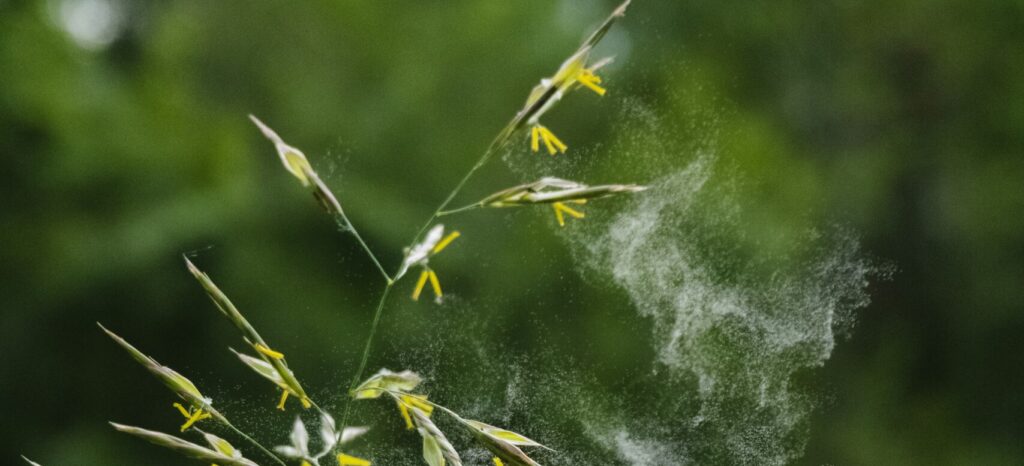
- Longer Growing Seasons: Warmer temperatures and milder winters mean plants start pollinating earlier and continue longer. Trees like alder, birch, and cedar – all common species in Vancouver – are producing pollen for extended periods.
- Higher Pollen Counts: Elevated CO2 levels from actually stimulate plants to produce more pollen, and in some cases, more allergenic pollen. CO2 levels increase when a city has a high amount of pollution (from sources like car exhaust) and proportionately low amounts of greenery.
- Urban Air Pollution: Air pollutants can bind to pollen particles, making them more irritating to the respiratory system and easier to inhale deeply into the lungs.
- Loss of Biodiversity: Urban environments often favor male trees (which produce pollen) over female trees (which don’t), increasing overall pollen exposure.
- Immune System Overload: The modern hustle and bustle filled with stress, low exercise, and processed foods can make the immune system more reactive, amplifying allergy symptoms.
Supporting your body through spring doesn’t require extremes. Small, consistent shifts can help your body adapt to seasonal changes more smoothly.

Nutrition for allergy season
Spring is the perfect time to lighten and brighten your diet.
Focus on:
- Seasonal greens like arugula, dandelion, asparagus, and sprouts to support natural detox pathways
- Increase fiber-rich foods to promote healthy digestion and elimination
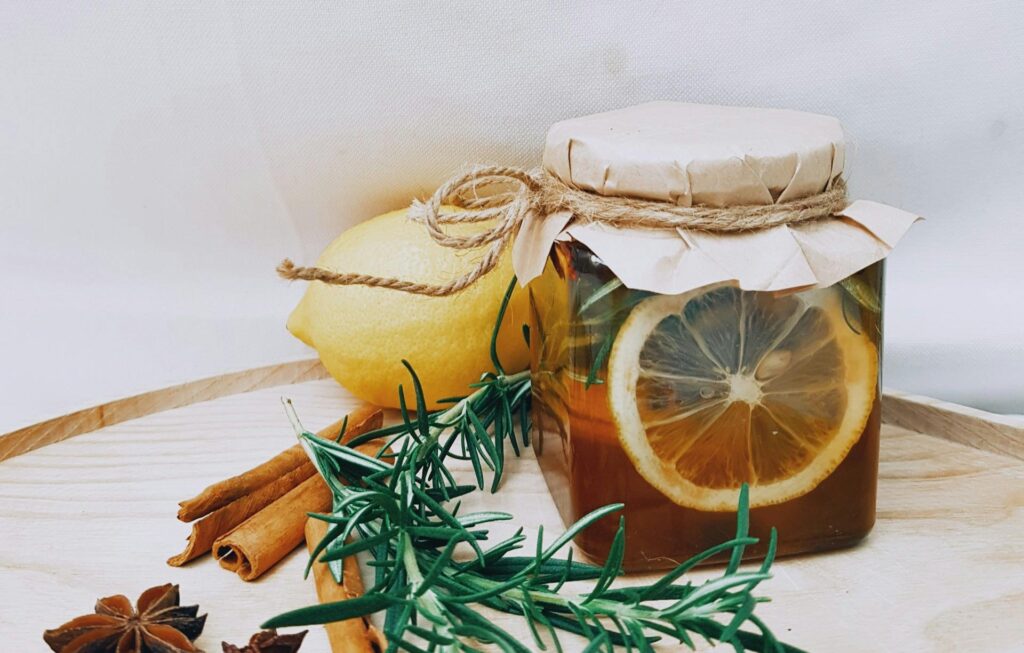
- Stay hydrated with added lemon, cucumber, or herbal infusions for a refreshing boost
- Reduce processed foods and added sugars, which can contribute to inflammation
- Increase your intake of quercetin rich foods like red and yellow onions, kale, apples, berries (blueberries, cranberries), and broccoli
You may also consider a short 1–2 week whole-food reset to gently recalibrate your system.

Supporting detoxification pathways
Your body is constantly detoxifying and spring is a great time to support these natural processes.
Helpful practices include:
- Sweating 3x per week (sauna, hot yoga, or brisk walks)
- Dry brushing before showers to support lymphatic flow
- Eating foods that support liver function, such as cruciferous vegetables and bitters
- Considering herbs like milk thistle (with guidance)
- Prioritizing daily bowel movements to ensure proper elimination
Booking a seasonal check-in with a naturopath can also help personalize your approach.
Environmental strategies to get ahead of seasonal allergies
Prevention is key when it comes to allergies, and starting early can make a big difference.
Support your system with:
- Regularly changing HVAC filters to reduce indoor allergens
- Washing bedding weekly to remove pollen buildup
- Exploring natural antihistamines with your practitioner
- Starting supportive interventions like local or manuka honey or quercetin before peak season
- Using a neti pot or saline rinse to clear nasal passages

Supporting the immune system
Since allergies are a result of our immune system reacting to environmental triggers, supporting the immune system through nutritional interventions can play a meaningful role in reducing allergy symptoms.
- Vitamin D: Low vitamin D levels are commonly seen in people with seasonal allergies. Supporting optimal levels may help regulate the immune system and reduce symptom severity, especially when levels are low to begin with.
- Probiotics & gut health: A healthy gut plays a key role in immune balance. Probiotics can help regulate the immune response, reduce inflammation, and improve allergy symptoms. Including fermented foods (like yogurt, kefir, and sauerkraut) can be a simple place to start.
- Omega-3 fats: Found in foods like salmon, sardines, walnuts, and flaxseeds, omega-3s have anti-inflammatory effects and may help reduce the risk and severity of allergy symptoms. Balancing omega-3 intake with lower omega-6 (processed oils) is also important.
- Whole-food, diverse diet: Eating a wide variety of plant-based foods such as vegetables, fruits, legumes, nuts, and seeds provides fiber and nutrients that support gut health and immune resilience.
- Additional nutrients: Zinc and antioxidant vitamins (like A and E) may also support immune function and help reduce inflammation.
- Early-life & maternal nutrition: Diet during pregnancy and early life may influence allergy risk, highlighting the importance of nutrient-dense, whole-food eating patterns across the lifespan.
- Microbiome & lifestyle factors: Reduced exposure to beneficial microbes (due to factors like antibiotics, highly processed diets, and overly sterile environments) may impact immune development. Supporting the microbiome through diet and lifestyle can help promote better immune balance.

A long-term solution
For those looking for a long-term solution beyond symptom management and general immune system support, sublingual immunotherapy (SLIT) is another great option. SLIT involves placing small, measured doses of allergen extracts under the tongue, which gradually trains the immune system to become less reactive over time. Unlike traditional allergy shots, SLIT can be administered at home and has a strong safety profile when guided by a healthcare professional. Research shows that consistent use over several months can reduce seasonal allergy severity and may even provide lasting benefits after treatment ends. If you’re struggling with persistent symptoms despite lifestyle, dietary, and environmental strategies, SLIT therapy is worth discussing with a qualified healthcare professional. Book an appointment today to see whether SLIT therapy may be appropriate for you.
Bringing it all together
Spring is a powerful opportunity to align with your body’s natural rhythms. By supporting nutrition, detoxification, your environment and the immune system, you can move through the season with more ease and resilience.
If your symptoms feel persistent or you’re looking for a more personalized plan, working with a naturopathic doctor can help address root causes and support long-term balance.
Disclaimer: The content provided on this blog is intended for informational purposes only and should not be construed as medical advice. While we strive to present accurate and up-to-date information, the field of naturopathic medicine is continually evolving, and individual health circumstances vary. Therefore, the information herein may not apply to your specific health situation.
Please be aware that engaging with this blog does not establish a doctor-patient relationship. For personalized medical advice, diagnoses, or treatment plans, we recommend scheduling a consultation with a qualified naturopathic physician or other licensed healthcare provider.
In the event of a medical emergency, contact emergency services immediately.
References
Bernstein, J. A., Bernstein, J. S., Makol, R., & Ward, S. (2024). Allergic rhinitis: A review. Journal of the American Medical Association.
Meiklejohn, D. A., Tummala, N., & Lalakea, M. L. (2025). Climate change, allergic rhinitis, and sinusitis. Journal of the American Medical Association.
Head, K., Snidvongs, K., Glew, S., et al. (2018). Saline irrigation for allergic rhinitis. Cochrane Database of Systematic Reviews.
Dykewicz, M. S., Wallace, D. V., Amrol, D. J., et al. (2020). Rhinitis 2020: A practice parameter update. Journal of Allergy and Clinical Immunology.
Jongbloed, W. M., & Brown, S. M. (2022). Allergies and natural alternatives. Otolaryngologic Clinics of North America.
Guo, R., Pittler, M. H., & Ernst, E. (2007). Herbal medicines for the treatment of allergic rhinitis: A systematic review. Annals of Allergy, Asthma & Immunology.
Pellow, J., Nolte, A., Temane, A., & Solomon, E. M. (2020). Health supplements for allergic rhinitis: A mixed-methods systematic review. Complementary Therapies in Medicine.
Bakhshaee, M., Sharifian, M., Esmatinia, F., Rasoulian, B., & Mohebbi, M. (2019). Therapeutic effect of vitamin D supplementation on allergic rhinitis. European Archives of Oto-Rhino-Laryngology.
Aryan, Z., Rezaei, N., & Camargo, C. A. (2017). Vitamin D status, aeroallergen sensitization, and allergic rhinitis: A systematic review and meta-analysis. International Reviews of Immunology.
Wang, X., Tan, X., & Zhou, J. (2022). Effectiveness and safety of probiotic therapy for pediatric allergic rhinitis management: A systematic review and meta-analysis. International Journal of Pediatric Otorhinolaryngology.
Yang, W., Wu, H., Li, X., et al. (2025). Gut-lung axis in allergic rhinitis: Microbial dysbiosis and therapeutic strategies. Frontiers in Microbiology.