
Endometriosis Awareness Month Pop Quiz
Test your knowledge before diving into the blog post!
- Which of the following is a common symptom of endometriosis?
A. Painful periods (dysmenorrhea)
B. Pain with intercourse
C. Painful bowel movements during menstruation
D. All of the above - True or False: Normal imaging (such as ultrasound or MRI) can rule out endometriosis.
- What is the average estimated delay between the onset of symptoms and a diagnosis of endometriosis?
A. 1–2 years
B. 3–5 years
C. 7–10 years
D. 15+ years - True or False: Endometriosis pain only occurs during your period.
Did you ace the quiz, or did some of those questions catch you off guard? If so, you’re not alone. Endometriosis is one of the most common yet misunderstood conditions affecting women’s health. In this blog post, we’ll explore what endometriosis can actually feel like, what’s happening in the body from a medical perspective, and how our understanding of the condition has evolved over time. We’ll also discuss why so many women go undiagnosed for years and highlight key signs that it may be time to seek further evaluation. (Hint: you’ll find the answers to the quiz at the end of this post)
What Does Endometriosis Feel Like and What's Really Going on Behind the Scenes?
For many women, endometriosis feels like more than “just bad cramps.” It can show up as deep, aching pelvic pain before or during menstruation, sharp pain with ovulation, pain during or after intercourse, or intense cramping that radiates into the lower back or legs. Some experience heavy bleeding or spotting between cycles, while others struggle with bloating, nausea, constipation, diarrhea, or pain with bowel movements, especially around their period. While symptoms are often cyclical and peak during menstruation, many women with endometriosis experience persistent non-cyclical pain. A consequence of these cyclical or chronic symptoms is often profound fatigue. While some individuals with endometriosis have always known that their period pain wasn’t normal, for others, difficulties conceiving is the first clue. It should be noted that the intensity of pain doesn’t always match what imaging shows. A person can have severe, life-disrupting symptoms even when scans appear “normal,” which is one reason endometriosis is frequently delayed in diagnosis.
Behind the scenes, endometriosis is a complex inflammatory and immune-mediated condition. Tissue similar to the uterine lining grows outside the uterus and responds to monthly hormonal signals – particularly estrogen. Unlike the endometrium inside the uterus, this tissue has no outlet to shed, leading to localized bleeding, inflammation, and the release of inflammatory mediators such as prostaglandins and cytokines. Research shows that endometriotic lesions produce their own estrogen via increased aromatase enzyme activity, creating a self-perpetuating inflammatory cycle. Elevated levels of inflammatory cytokines (including IL-1β, IL-6, and TNF-α) have been found in the pelvic fluid of women with endometriosis, contributing to pain sensitization and tissue damage. Over time, this chronic inflammation can lead to scar tissue (adhesions), nerve fiber growth within lesions, and changes in pain processing pathways, helping explain why endometriosis is increasingly understood not just as a hormonal condition, but as a systemic, immune-driven inflammatory disorder.
A Historical Look at Endometriosis
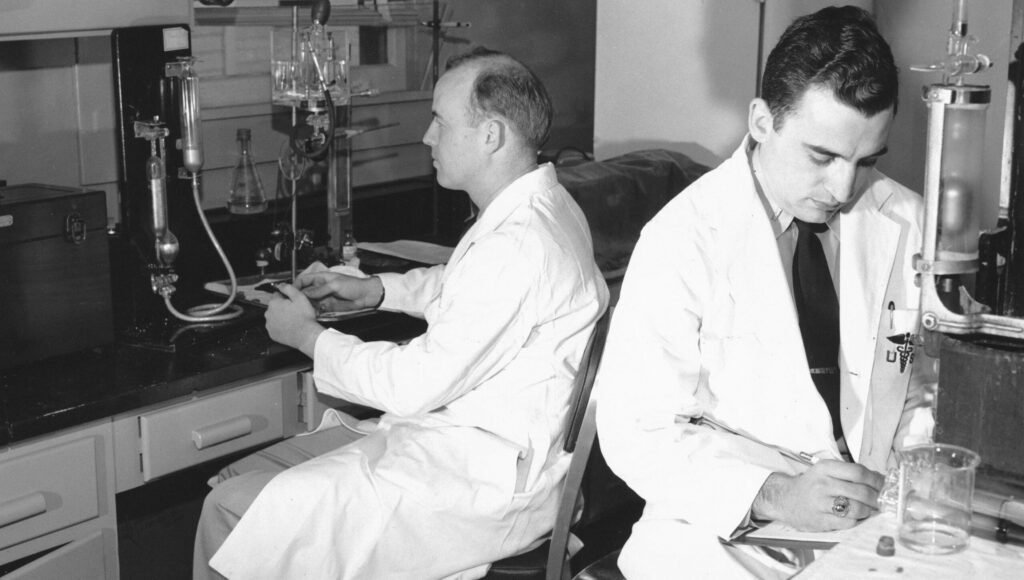
Endometriosis has been documented for centuries, yet it remains widely misunderstood. Early descriptions of symptoms resembling endometriosis date back to ancient medical writings, but the condition was formally identified in the 19th century. In 1860, Austrian pathologist Karl von Rokitansky first described endometrial-like tissue outside the uterus. Despite this early recognition, research and funding lagged for decades, and patients’ pain was frequently dismissed as psychological or simply “normal” menstrual discomfort. This delay in research is part of a larger trend seen in medicine, in which women’s health has only received funding equivalent to men’s health since the early 1990s, when policies such as the 1993 NIH Revitalization Act formally required the inclusion of women in federally funded clinical research. Even today, the average time to diagnosis can span many years. The historical under-recognition of endometriosis reflects a broader pattern in women’s health: chronic pelvic pain has often been minimized rather than thoroughly investigated.

Why Do So Many Women With Endometriosis go Undiagnosed?
Endometriosis is notoriously underdiagnosed, with studies estimating an average delay of 7–10 years from symptom onset to formal diagnosis. There are several reasons for this. First, painful periods are often normalized, both culturally and medically, leading many women to believe their symptoms are simply something they must tolerate. Second, the symptoms of endometriosis overlap with other conditions such as irritable bowel syndrome, interstitial cystitis, or pelvic floor dysfunction, which can lead to misdiagnosis. Third, standard imaging like ultrasound or MRI may appear normal, particularly in cases of superficial disease, and a definitive diagnosis traditionally requires laparoscopic surgery. Importantly, pain severity does not reliably correlate with lesion burden, which can further complicate clinical assessment. Together, these factors contribute to a pattern of dismissal, delayed referral, and years of unnecessary suffering for many patients.
For those looking to learn more or connect with others experiencing similar symptoms, organizations such as The Endometriosis Network Canada provide educational resources, advocacy, and community support for individuals living with endometriosis. Access to reliable information and support networks can be an important part of navigating diagnosis and treatment.

When to Seek Further Evaluation and Why Timing Matters
If menstrual or pelvic pain is interfering with your work, school, relationships, or daily activities, it’s important to speak with a trusted healthcare professional. Significant period pain is common, but it is not something you should have to simply “put up with.” If you feel your concerns have been dismissed or you’ve been told that severe period pain is normal, seeking a second opinion can be an important step toward getting the care you need. Other signs that it may be time to seek further evaluation include pain with intercourse, painful bowel movements around your period, unexplained infertility, or persistent pelvic discomfort outside of menstruation.
Early evaluation matters because endometriosis is a progressive inflammatory condition for many individuals. Over time, ongoing inflammation can contribute to scar tissue (adhesions), increased nerve sensitivity, and central sensitization where the nervous system becomes more reactive to pain signals. These changes can make symptoms more difficult to manage and significantly impact quality of life. Identifying endometriosis earlier allows for more proactive symptom management, informed fertility planning if desired, and a more comprehensive, multidisciplinary approach to care. Even if imaging results are normal, your symptoms are real and deserve careful investigation and support. Not sure where to start? Consider booking a consultation with a Naturopathic Doctor today!

Now Let's Revisit that Pop Quiz
- Which of the following is a common symptom of endometriosis?
A. Painful periods (dysmenorrhea)
B. Pain with intercourse
C. Painful bowel movements during menstruation
D. All of the above - True or False: Normal imaging (such as ultrasound or MRI) can rule out endometriosis.
False – Standard imaging may appear normal even when endometriosis is present, particularly with superficial disease. - What is the average estimated delay between the onset of symptoms and a diagnosis of endometriosis?
A. 1–2 years
B. 3–4 years
C. 5-6 years
D. 7-10 years - True or False: Endometriosis pain only occurs during your period.
False – While symptoms often worsen during menstruation, many people with endometriosis experience pain throughout the month.

Conclusion
Endometriosis affects an estimated 1 in 10 women of reproductive age, yet many people spend years searching for answers before receiving a diagnosis. Increased awareness, education, and open conversations about menstrual health are important steps toward closing this gap. Understanding what symptoms to look for and knowing when to seek support can help individuals advocate for their health and access care sooner.
If you recognize some of the symptoms discussed in this post, know that you are not alone and that support is available. A comprehensive approach to care may include medical evaluation, symptom management, lifestyle support, and collaboration between healthcare providers.
Curious about why endometriosis develops in the first place? In our next blog post, we’ll explore the possible root causes of endometriosis, including hormone metabolism, immune system function, inflammation, and environmental factors. Understanding these underlying drivers can help inform more personalized and effective approaches to long-term care.
Stay tuned for our next post on April 1st, where we’ll dive deeper into the science behind endometriosis and what it means for supporting hormonal and reproductive health.
Disclaimer: The content provided on this blog is intended for informational purposes only and should not be construed as medical advice. While we strive to present accurate and up-to-date information, the field of naturopathic medicine is continually evolving, and individual health circumstances vary. Therefore, the information herein may not apply to your specific health situation.
Please be aware that engaging with this blog does not establish a doctor-patient relationship. For personalized medical advice, diagnoses, or treatment plans, we recommend scheduling a consultation with a qualified naturopathic physician or other licensed healthcare provider.
In the event of a medical emergency, contact emergency services immediately.
References:
The Journal of the American Medical Association. 2025. As-Sanie S, Mackenzie SC, Morrison L, et al.New
The New England Journal of Medicine. 2020. Zondervan KT, Becker CM, Missmer SA.
Nature Reviews. Disease Primers. 2018. Zondervan KT, Becker CM, Koga K, et al.
Endometriosis: Evaluation and Treatment.
American Family Physician. 2022. Edi R, Cheng T.
The Journal of the American Medical Association. 2025. Voelker R.New